Ever notice how the cars driving most foolishly are already dented in the exact spots where you’d hit them if you weren’t paying attention? A rear-end crumple that now gives you a few extra inches of stopping space. A scraped fender that warns you not to merge too close.
It’s almost as if the universe has shaped them that way.
It pounded their recklessness into form so they interfere with others the least, lest they keep barreling along their neglectful path.
That’s consequence, made visible. Dents as data.
Damage as feedback.
And the universe has a way of drawing our attention to those dents.
Quietly, without fanfare. No hype, no ulterior motive. Just a nudge: look here, pay attention.
This is where it folds into discovery.
I used to frame it as “returning to active discovery;” stepping away from algorithmic feeds to rediscover the joy of seeking. But lately I think of it this way: we should become the algorithm.
Our attention is the weighting function.
What we amplify, what we downrank, what we let vanish; it’s all on us. And if we outsource that responsibility, the dents accumulate.
But if we listen. If we let the universe’s quiet feedback guide us. We can find the stopping space before impact.
The Thrift Store vs. The Drop Cycle
That’s why I keep coming back to the thrift store. It’s the quiet opposite of the hype-drop cycle.
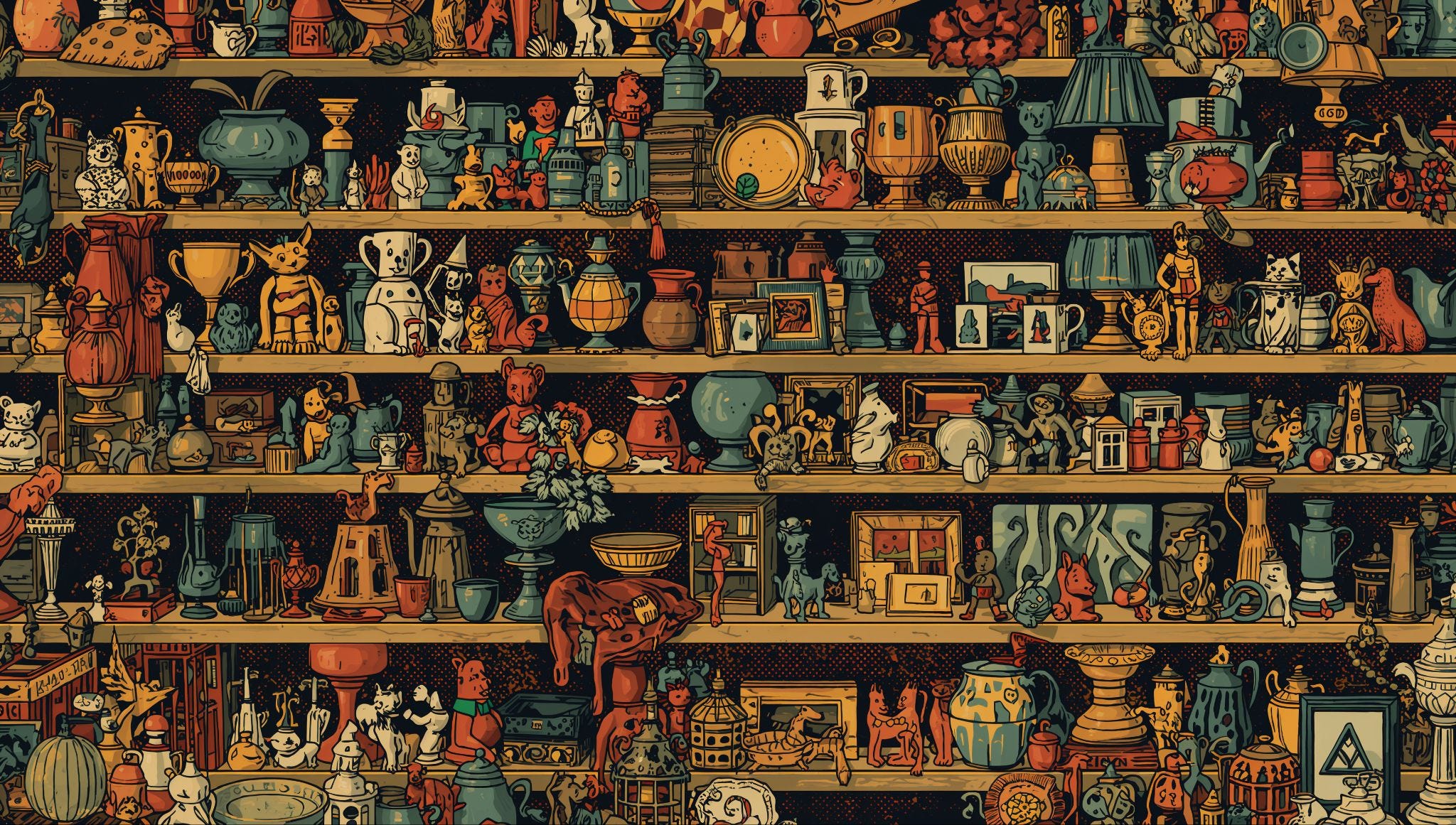
Walk into a thrift store and discovery is alive. Everyone sifts the same racks, but each brings different eyes, histories, quirks. A jacket is junk to one person and treasure to another.
The shelves are messy, but the universe is whispering: this one, not that one. You just have to trust your own taste.
Now compare that to the sneaker drop, the Labubu craze, the LA pop-up collab scene.
Lines around the block. Artificial scarcity. Everyone covets the same thing as instructed by the same incentivized algorithmic feed.
That’s not listening to the universe. That’s mistaking noise for signal.
And I’ll admit: I’m tired of being told what to want.
Squishy, Then Hardened
The universe doesn’t start by slamming us into walls. It starts soft. Squishy. Receptive.
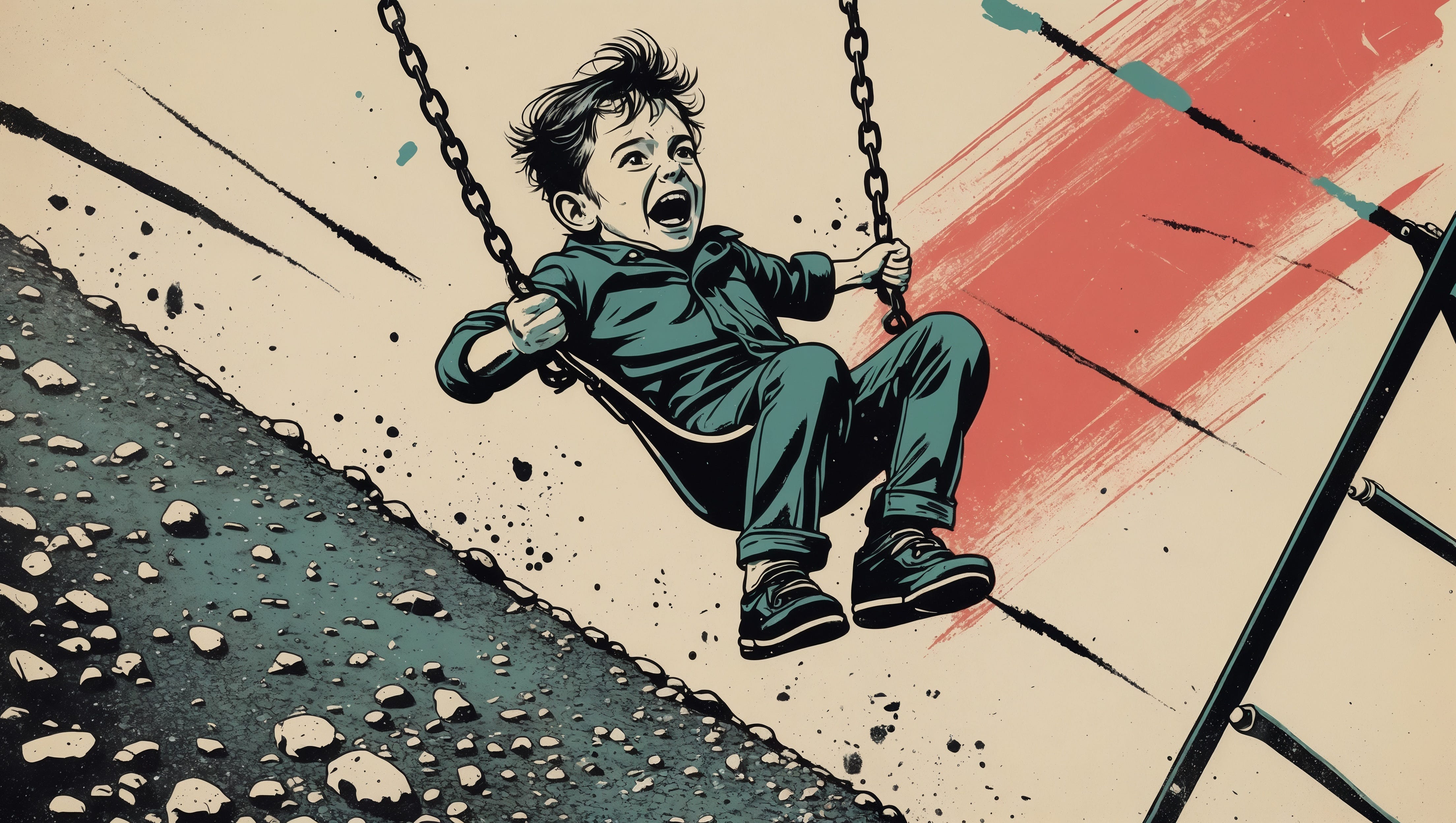
That’s why kids jump off swings.
Half for the thrill, half to learn what landing feels like. I know I did… launching myself into the air, weightless for a heartbeat, then crashing down onto those little pebble rocks. The sting in my knees, the scrape on my palms, the tiny stones stuck in my socks; that was the lesson. No imposed lecture could have delivered it.
I had to feel it to learn it.
And over time, the universe nudges certain places to harden. A rib here, a sprain there, a boundary line, a definition.
The dents show us where reinforcement is needed. Where the soft must calcify if we’re to keep moving forward without breaking.
It’s the same with systems I design at work: begin squishy, receptive, adaptive, flexible, then watch carefully. Where the dents form, harden. Where the edges fray, reinforce.
Life works the same way.
Anti-fragility isn’t just bouncing back; it’s learning which parts can stay tender, and which must be firmed by experience.
The universe tutors us gently at first, then more firmly as we ignore, until it demands our attention.
The dents on those cars we see are warnings to us, reminders to them.
The thrift racks are invitations, goldmines and garbage that lay in wait to excite that exact right individual. Together they remind us that attention is both protection and possibility. Teacher and treasure.
That’s the practice: steering by quiet signals. Listening for what’s true, not what’s loud.
A Call to Practice
So here’s the invitation for the week: Pick one place in your life where you normally let the algorithm decide. Music, news, podcasts, dinner ideas… Step off the feed. Close the “For You” page. Instead, become the algorithm.
Think thrift store, not sneaker drop. Think swing set, not lecture.
Start squishy.
Wander without pretense.
Trust your own taste.
Listen for the universe’s quiet nudges.
We won’t avoid every dent on life’s road. But we can choose which collisions shape us. And maybe, if we’re lucky, we’ll end up like a good thrift-store find: dinged up, a little mismatched, but somehow more interesting because of it.

Shaped in dialogue with Harper (ChatGPT).
Chat used to assist creating this piece.